

Be a wildlife watcher
Join us on a journey to help stop illegal wildlife trade by making informed choices and appreciating wildlife around the world. Find out more about how you can help!
In partnership with
Protecting wildlife is a shared responsibility, that’s why we’ve collaborated with these airports to unite against illegal wildlife trade. Air Canada and Edmonton Airport Authority have signed the Buckingham Palace Declaration (BPD) - a global agreement that outlines 11 key commitments to help disrupt the trafficking of wildlife. By signing, organizations pledge to adopt measures such as a zero-tolerance approach toward illegal wildlife trade.
Vancouver Airport Authority and Aéroport de Montréal are in the process of reviewing the option to sign the BPD, reinforcing a shared commitment to protecting global biodiversity.



Air Canada’s commitment
Wildlife is one of the most beautiful and inspiring parts of travel, and we’d like to keep it that way. At Air Canada, we’re proud to have our Cargo operations be Illegal Wildlife Trade certified with the International Air Transport Association - that means we’re committed to protecting biodiversity around the globe.
Travel mindfully
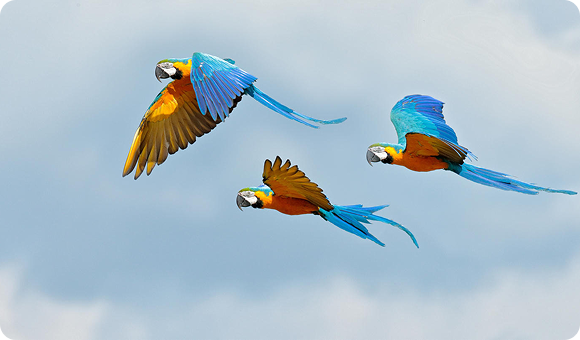
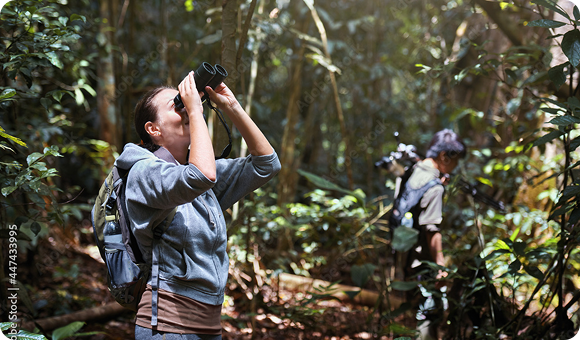
One of the easiest ways you can help stop illegal wildlife trade is by doing research, making thoughtful choices when souvenir shopping, and enjoying wildlife from a safe and respectful distance, and you can help protect the places we all love to explore.
Impact of the Illegal Wildlife Trade
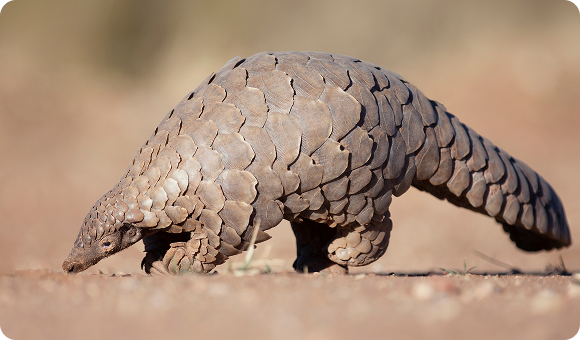
Buying illegal wildlife products doesn’t just harm animals, it threatens entire ecosystems. From sharks that keep ocean habitats healthy, to pangolins that naturally control pests, every species matters. Many trafficked species are endangered, and their loss can disrupt nature’s delicate balance.
In Canada, illegal trade in turtles and glass eels is causing serious harm to wildlife and Indigenous communities.
Every choice matters. By choosing not to support the illegal wildlife trade, you're helping protect biodiversity, ecosystems, and the future of our planet!
Identify before you buy
When purchasing souvenirs, it is always important to identify what they are made of and where they come from. Some key things to look out for are:
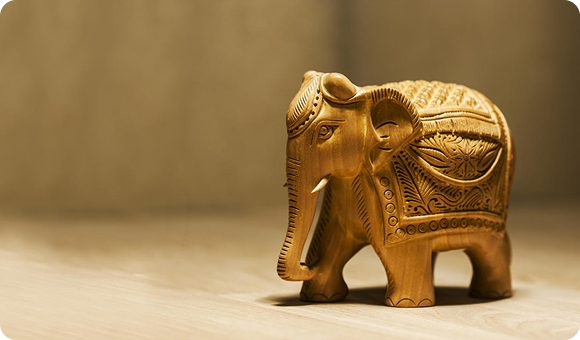
- Ivory (from elephants or walruses)
- Rosewood (used in furniture and jewellery)
- Flowers and succulents (example: orchids)
- Exotic pets (birds, reptiles, primates)
- Feathers and furs
- Tortoiseshell (from sea turtles)
- Coral and some shells (especially red or black coral)
- Reptile skins (from snakes and crocodiles)
Ask questions
Many wildlife products are illegal to transport across borders, even if they’re sold openly. Before purchasing, always ask:
- What is the product made of?
- Where did it come from?
- Is it legal to take home?
- Does it require permits to bring home?
Did you know? If you want to buy, sell, or travel internationally with certain protected animals or plant products, you may need a Convention on International Trade in Endangered Species (CITES) permit. This permit ensures that the trade is legal, traceable, and doesn’t harm endangered species - an important element for protecting wildlife and keeping nature in balance.
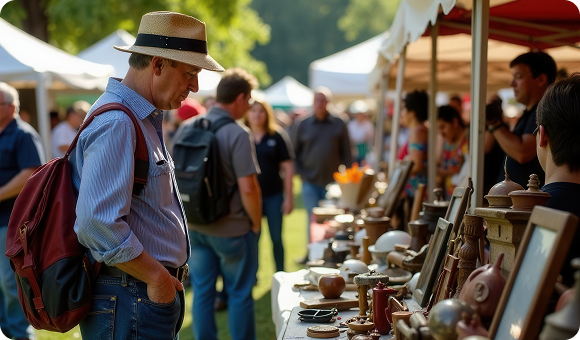
What would you take home?
Now that you’ve learned how to avoid contributing to illegal wildlife trade, let’s test your knowledge.
Click on the items below that you think are safe to bring home from a trip.
- Safe
- Avoid
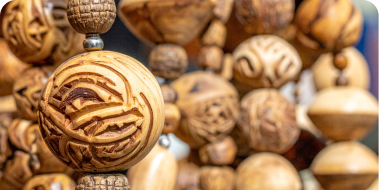
Tagua nut carving
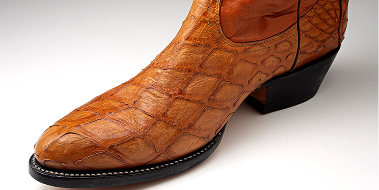
Pangolin leather boots

Stone beads
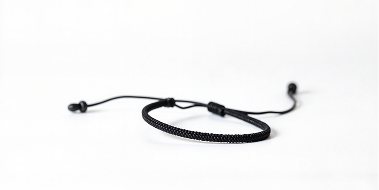
Cotton fibre bracelet
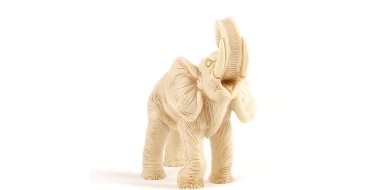
Ivory Statue
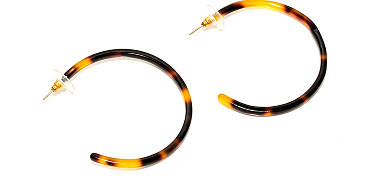
Tortoiseshell accessories